The Life of Charlotte Brontë
Elizabeth Gaskell's biography The Life of Charlotte Brontë was published in 1857. It was an important step for a leading female novelist to write a biography of another, and Gaskell's approach was unusual in that, rather than analysing her subject's achievements, she concentrated on private details of Brontë's life, emphasising those aspects that countered the accusations of "coarseness" that had been levelled at her writing.
The biography is frank in places, but omits details of Brontë's love for Héger, a married man, as being too much of an affront to contemporary morals and a likely source of distress to Brontë's father, widower, and friends. Mrs Gaskell also provided doubtful and inaccurate information about Patrick Brontë, claiming that he did not allow his children to eat meat. This is refuted by one of Emily Brontë's diary papers, in which she describes preparing meat and potatoes for dinner at the parsonage. It has been argued that Gaskell's approach transferred the focus of attention away from the 'difficult' novels, not just Brontë's, but all the sisters', and began a process of sanctification of their private lives.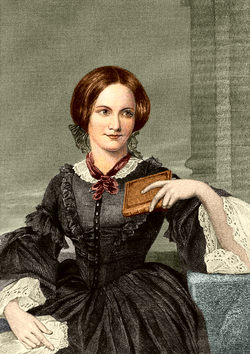
The biography is frank in places, but omits details of Brontë's love for Héger, a married man, as being too much of an affront to contemporary morals and a likely source of distress to Brontë's father, widower, and friends. Mrs Gaskell also provided doubtful and inaccurate information about Patrick Brontë, claiming that he did not allow his children to eat meat. This is refuted by one of Emily Brontë's diary papers, in which she describes preparing meat and potatoes for dinner at the parsonage. It has been argued that Gaskell's approach transferred the focus of attention away from the 'difficult' novels, not just Brontë's, but all the sisters', and began a process of sanctification of their private lives.

Very COOOOLL designe of blog!!!! Keep it up!!!!
ReplyDelete